
Introduction
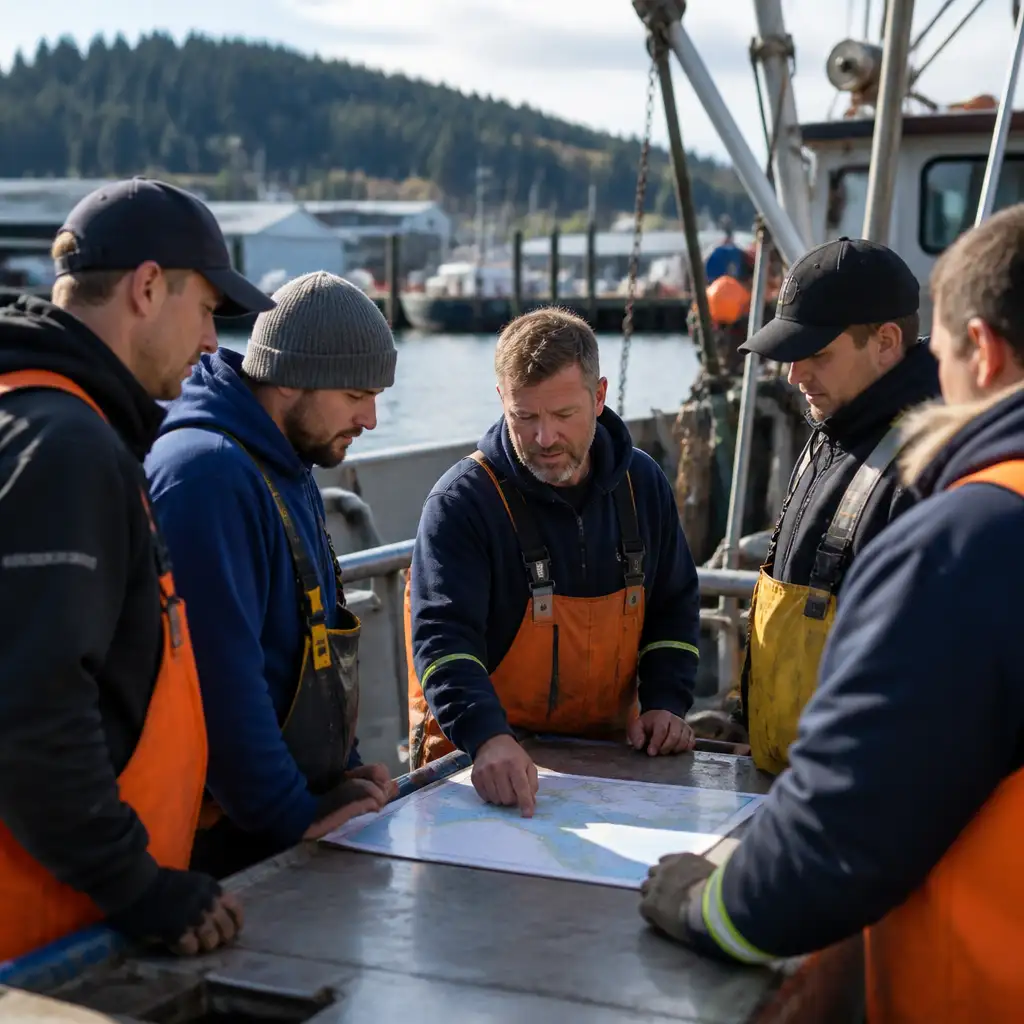
Fatigue is a persistent operational hazard in commercial fishing. Long hours, irregular sleep, heavy physical work and variable weather all combine to increase the likelihood of mistakes, near-misses and incidents. For skippers, owners and safety managers, managing fatigue is essential to protect crew wellbeing, maintain vessel safety and meet commercial and regulatory expectations.
This article focuses on practical, operational controls and managerial practices that reduce fatigue-related risk on fishing vessels. It is grounded in maritime operational realities and designed for operators of small fleets and single-vessel owners who need cost-effective, implementable solutions. The guidance emphasises risk reduction through planning, monitoring, reporting and low-cost interventions rather than complex engineering changes.
Expect concrete examples, checklists and measurable metrics you can adopt immediately: shift patterns that reduce cumulative sleep debt, simple monitoring and reporting practices, training and supervisory actions, and low-cost onboard changes that materially lower fatigue risk. The approach aligns with broader marine safety and marine risk management principles used across the sector.
Understanding fatigue risk in commercial fishing operations
Fatigue in fishing arises from acute sleep loss (short-term sleep deprivation), cumulative sleep debt (repeated reduced sleep), circadian disruption (night operations) and workload peaks (hauling, processing, emergencies). Each of these increases human error probability and reduces situational awareness on deck and on the bridge. Fatigue is often an underlying factor in collisions, entanglements, falls overboard and machinery incidents.
Unlike many shore-based industries, fishing operations are shaped by catch cycles, weather windows and market pressures. This operational reality means prescriptive hour caps are often impractical; instead, risk must be managed through flexible controls that balance operational needs with rest opportunity. Integrating fatigue risk management into existing shipboard procedures and safety management systems yields better adherence than stand-alone rules.
Risk assessment is the first step: identify tasks with high consequence if performed while fatigued (navigation in restricted waters, winch operations, engine room maintenance). Use those findings to prioritize controls. For structured support on this step consider integrating results with existing marine risk assessments and operational risk registers to ensure consistency across safety efforts (marine risk assessments).
Operational controls for shift planning and duty hours
Good shift planning reduces short-term and cumulative fatigue. On small vessels practical patterns include: fixed watches where possible, rotating shifts that avoid prolonged night duty, and scheduled sleep blocks that are protected from routine interruption. Avoid schedules that require multiple consecutive 18–24 hour periods without protected sleep.
A recommended operational control is to define minimum protected sleep windows: at least one continuous 6–8 hour sleep opportunity within any 24-hour period for day operations and equivalent protected blocks for night patterns. Where continuous sleep is impractical, schedule two blocks totalling 7–8 hours where operationally feasible. Track these blocks in a daily log so supervisors can confirm compliance with planned rest.
Duty hours should be managed through a combination of roster controls and contingency rules. Example controls: limit maximum continuous duty to 16 hours for emergency or peak activity days and require 10–12 hours off-duty before the next planned extended operation. Where formal compliance with national hours-of-rest frameworks is required, incorporate those requirements into vessel procedures and the SMS. When questions arise about compliance pathways or documentation during inspections, maritime compliance services and regulatory guidance can be referenced (maritime compliance services).
Rest monitoring, reporting and fatigue observation systems
Monitoring does not need to rely on expensive technology. Effective systems combine simple self-reporting, supervisor observation and lightweight logging. A daily fatigue log completed by each crew member (sleep hours, sleep quality, stimulant use) gives valuable data. Supervisors should review logs and follow up if patterns of short sleep or poor sleep quality appear.
Introduce a fatigue reporting protocol that encourages reporting of near-misses and tiredness without punitive consequences. A non-punitive near-miss and fatigue report increases reporting rates and helps identify systemic issues. Combine qualitative reports with quantitative measures such as hours slept and hours on duty for each watch.
For vessels with more resources, consider wearable-actigraphy pilot programs or simple wrist actimeters to validate self-reports across a sample of voyages. Use data strictly for safety improvement and aggregated analysis, not for disciplinary action. Linking fatigue observation outcomes to operational decision-making (e.g. delaying a departure, reducing crew workload) demonstrates the utility of the monitoring system and helps embed it into routine operations.
Managerial practices: training, culture and supervision
Managerial leadership sets the tone. Skippers and owners should prioritize fatigue awareness in toolbox talks and pre-departure briefings. Include practical training in fatigue recognition (yawning, slowed reaction time, micro-sleeps), countermeasures (strategic napping, hydration, nutrition, light exposure) and the vessel’s fatigue reporting process. These topics sit naturally within broader maritime training programs and can be integrated into existing course content (maritime training programs).
Create a safety culture where crew feel responsible for peers. Peer observation and simple buddy checks before heavy tasks provide an additional layer of protection. Supervisors must act on reports—reassign duties, allow additional rest or alter schedules—so crew see a clear feedback loop between reporting and action. Document managerial decisions in the vessel log to provide transparency and support continuous improvement.
Operational briefings should include fatigue risk as a standing agenda item during periods of high workload or extended trips. Where vessels interact with other marine users—such as offshore structures or other commercial vessels—explicitly address fatigue risks in passage planning and communications to reduce shared-waterway risk. Keep messaging neutral and focused on safe coexistence when offshore wind or other users are present.
Low-cost interventions for small fleets and skippers
Small fleets benefit from interventions that require little capital but offer strong risk reduction. Improve onboard sleep environments first: blackout curtains, earplugs, comfortable bedding and temperature control. These changes increase sleep quality and reduce cumulative fatigue without impacting vessel operations.
Operationally, staggered meal routines and light-management strategies (bright lighting during night watches, warmer dimming for sleep periods) help align circadian rhythms. Encourage strategic naps of 20–40 minutes before expected high-demand periods. Use clear signage for rest periods and create a protected rest policy so routine tasks do not interrupt designated sleep blocks.
Other low-cost measures include task rotation to reduce monotony, rotating duties to split heavy physical tasks across more crew, and simplifying watch schedules to minimize frequent changes. Small administrative changes—such as mandating a short pre-haul rest and ensuring relief for winch operators—reduce acute fatigue exposure during hazardous tasks.
Metrics and checklists to measure fatigue controls
Measurement turns policy into practice. Adopt a small set of practical indicators and a checklist for routine assessment. Suggested metrics (weekly, monthly and voyage-level):
- Average hours slept per crew per 24-hour period (voyage mean)
- Percentage of shifts with protected sleep block recorded
- Number of fatigue-related reports or near-misses per voyage
- Incidents after >12 hours continuous duty
- Crew self-rated fatigue score (1–5) at the end of each watch
Use a simple dashboard to track trends. For example, flag when average sleep falls below 6.5 hours or when fatigue reports increase more than 25% month-on-month. Integrate fatigue indicators into the vessel’s routine safety meeting and link outcomes to corrective action plans.
Operational checklist for pre-voyage and ongoing monitoring:
| Item | Action |
|---|---|
| Pre-voyage sleep briefing | Confirm expected watch pattern and protected sleep blocks with crew |
| Daily fatigue log | Each crew member records sleep hours and quality |
| Fatigue reporting | Non-punitive form for near-misses and tiredness |
| Protected rest enforcement | Ensure routine tasks do not interrupt scheduled sleep |
| Post-voyage review | Analyze fatigue metrics and adjust schedules for next trip |
Regular inspections and audits of these controls are valuable. Vessel inspections focused on human factors can confirm that documented procedures match practice; consider scheduled vessel inspections as part of your audit cycle to validate fatigue risk measures (vessel inspections).
Frequently Asked Questions
Q: How can a small skipper track crew sleep without intrusive technology?
A: Use a simple daily paper or digital log where each crew member records sleep duration and subjective sleep quality. Combine this with a short supervisor review each morning and an anonymized weekly summary for trend analysis.
Q: What do I do if a crew member reports being too tired to perform a task?
A: Implement the vessel’s fatigue response: reassign or delay the task where safe, allow a short rest or nap, and document the event in the log. If repeated reports occur, review scheduling and workloads to identify systemic causes.
Q: Are wrist actimeters or wearables recommended for fishing vessels?
A: Wearables can be useful for pilot studies to validate self-reports, but they require clear policies on data use and privacy. For many operators, simple logs and supervisor checks provide sufficient actionable information without the expense and management burden of wearables.
Commercial fishing operations face unique safety, regulatory, and risk management challenges. Marine Safety Consultants works with vessel owners and operators to help improve safety and operational readiness. Call 508-996-4110 to learn more.