
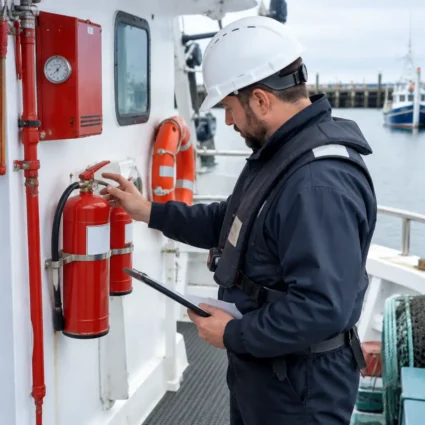
What Vessel Operators Should Know About Maintaining Firefighting Systems on Small Commercial Vessels
Practical guidance for small commercial vessel operators on maintaining firefighting systems: inspections, USCG compliance, testing, crew training, and checklists for vessel safety.
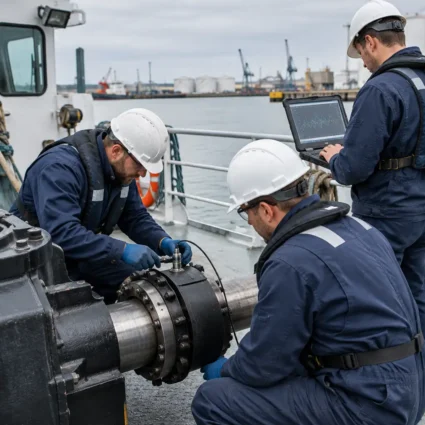
How Maritime Operators Can Use Remote Monitoring and Predictive Maintenance to Improve Hull and Machinery Survey Outcomes
Learn how remote monitoring, condition-based sensors, and predictive analytics improve marine surveys—reduce downtime, improve valuation accuracy, and manage OT cybersecurity.
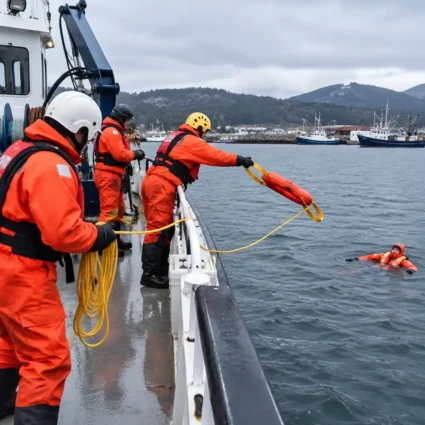
Understanding Cold-Water Man‑Overboard Risk in Commercial Fishing: Prevention, Recovery, and Medical Preparedness
Practical marine safety guidance for commercial fishing: identify cold-water MOB hazards, PPE, recovery techniques, hypothermia care, training, SAR coordination, and claims preparedness.
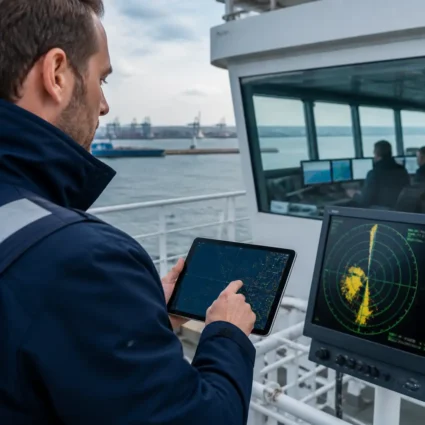
Using AIS and VTS data in marine casualty investigations: best practices for reconstruction and evidence preservation
Technical guide for marine investigations: acquiring, validating and analyzing AIS, VTS, radar and voyage data with evidence-preservation and chain-of-custody best practices.

Building a Strong Safety Culture Across Marine Operations
Practical steps for skippers and shore managers to build a just safety culture on small commercial vessels, improving marine safety through reporting, leadership and fatigue management.
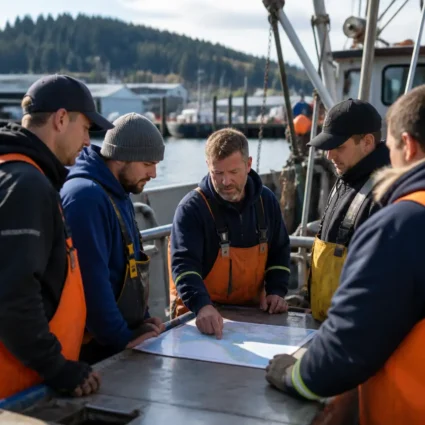
Understanding fatigue risk management for commercial fishing crews: practical measures for skippers and owners
Practical measures for skippers and owners to manage crew fatigue on commercial fishing vessels: shift planning, rest monitoring, reporting and low-cost marine safety controls.
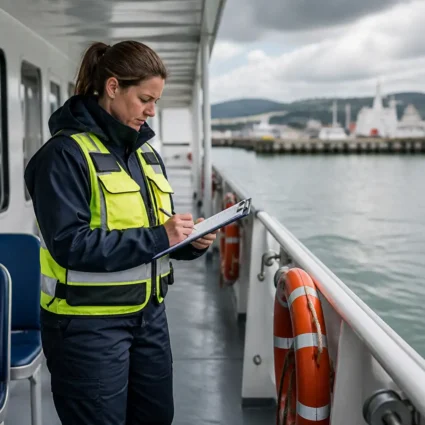
Common mistakes in implementing an ISM‑aligned Safety Management System on small passenger vessels
Practical guide to ISM Code compliance gaps on small passenger vessels, with remedies, audit‑readiness checklists and templates to support maritime compliance.

What Vessel Operators Should Know About Subchapter M Compliance: A Practical Pre‑Inspection Checklist for Towing Companies
Practical Subchapter M pre-inspection checklist for towing companies covering SMS expectations, recordkeeping, vessel examinations, dry-docking records and corrective action tracing.
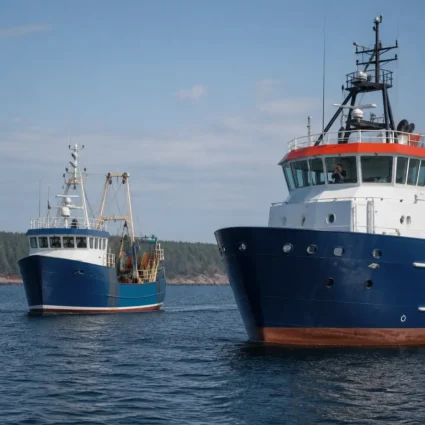
Reducing Collision Risk in Shared Waterways: Operational Measures for Fishing Vessels and Offshore Support Craft
Operational guidance for fishing skippers and offshore support operators on passage planning, VHF procedures, AIS best practice and vessel safety in shared waterways.

How Near‑Miss Reporting Can Strengthen Safety Culture on Towing, Fishing and Small Passenger Fleets
Practical guidance on near‑miss reporting for small fleets to improve marine safety: policies, anonymous reporting, investigations, metrics, and leadership engagement.

Practical Guide to Vessel Response Plans (VRPs) for Small Operators
Step-by-step VRP guide for small vessel operators and waterfront facilities: scope, triggers, response organization, equipment checklists, coordination, exercises and audit readiness.

Vessel Suitability and Vetting for Offshore Wind Operations: A Neutral Risk‑Based Checklist for Owners and Charterers
Operational vetting checklist for vessels supporting offshore wind, covering crew competence, stability, lifesaving systems, transfer arrangements and marine risk management.