
 Introduction
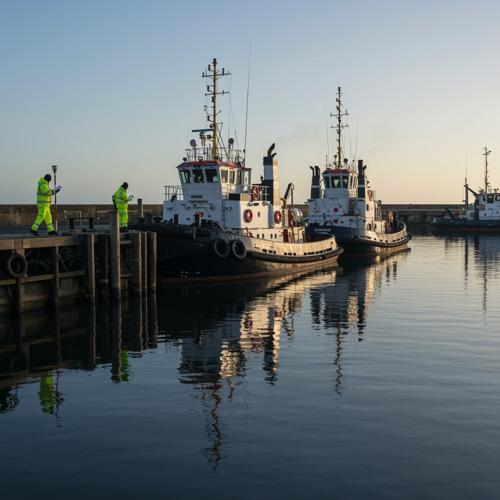
Understanding the true value of a working vessel is both a technical discipline and a strategic business skill. In today’s maritime market—where margins are tight, regulatory pressures are high, and operational demands continue to evolve—accurate vessel valuation directly affects competitiveness. A properly assessed tug, workboat, or utility vessel can influence financing, insurance, charter rates, resale potential, and long-term fleet planning. Rather than treating valuation as a periodic administrative task, operators benefit most when they approach it as an ongoing process tied to operational readiness and future investment.
Because working boats vary widely in size, capability, and purpose, no single formula can determine their worth. A harbor tug built in the 1980s, an offshore utility vessel, and a modern shallow-draft workboat all bring different strengths and limitations to the marketplace. The challenge—and opportunity—lies in identifying how each vessel’s features, condition, and documentation align with current industry needs. When performed correctly, valuation becomes a powerful decision-making tool rather than a bureaucratic formality.
Vessel owners who proactively monitor their fleet’s condition and market position gain a critical advantage over competitors. They can anticipate equipment obsolescence, justify upgrades, and market their services with confidence. The art and science of valuation isn’t just about numbers; it’s about aligning capability with opportunity—ensuring every vessel is positioned to earn its keep and maintain long-term value.
Understanding the Factors That Influence Working Boat Value
Several major categories determine the baseline value of commercial working boats, and each requires careful, documented evaluation. Physical condition—hull integrity, machinery status, and overall maintenance history—forms the foundation. A vessel with a clean service record and consistent maintenance stands out immediately. Next, operational capabilities such as horsepower, bollard pull, fuel efficiency, electronic systems, and mission-specific gear dramatically affect desirability and market pricing.
The age of the vessel, while important, is rarely as decisive as the level of modernization and the lifecycle stage of major components. Repowering, updated wheelhouse electronics, and recent refits can add meaningful value even to older hulls. Conversely, vessels with outdated controls, inefficient engines, or deferred maintenance may see steep reductions in appraised worth. Buyers and charterers evaluate both immediate usability and future cost exposure.
External market forces also influence valuation. Regional demand, commodity cycles, offshore activity, and shifts in harbor or towing operations can all raise or lower the value of specific vessel types. A tug suited for ship-assist work in a major port may command a premium, while a similar vessel in a quieter region may not. Understanding the interplay between vessel characteristics and market demand is essential when establishing realistic, defensible valuations.
Hull, Machinery, and Structural Condition Assessments
An accurate appraisal begins with a thorough inspection of the hull and structural components. This includes plating condition, coatings, frames, watertight integrity, and any signs of corrosion or distortion. The physical backbone of the vessel often determines whether it remains a viable long-term asset or requires significant reinvestment. Surveyors examine these elements closely, comparing present condition to original specifications and known weaknesses in similar vessels.
Machinery condition plays an equally critical role. Main engines, generators, propulsion systems, hydraulic components, and steering gear all contribute to the vessel’s operational reliability. Detailed maintenance records can significantly strengthen value, as they demonstrate care and reduce uncertainty. Conversely, missing documentation or inconsistent service histories can lead to downgraded valuations or increased buyer skepticism.
Beyond propulsion and hull condition, appraisers also evaluate auxiliary systems such as HVAC, electrical distribution, firefighting systems, and communication electronics. Any deficiencies or aging components can translate into future repair costs, lowering the vessel’s value. A clean, well-maintained engine room and organized maintenance program often signal a vessel that has been managed with professionalism—something that directly influences market perception and final valuation numbers.
Operational Capability, Mission Profile, and Market Demand
A vessel’s value is shaped not only by its physical condition but also by its ability to perform mission-critical tasks. Tugs with high bollard pull numbers, modern winches, and escort capability often command higher valuations due to their versatility. Utility vessels equipped with DP systems, specialized cranes, or offshore support gear may similarly rise in value because of expanding commercial demand in certain sectors.
Market alignment is constantly shifting. A vessel optimized for inland towing may be less valuable in coastal markets, while a high-speed crew boat might see fluctuating demand depending on offshore construction cycles. Understanding the vessel’s ideal operational niche—and how that niche is performing—is central to the valuation process. A strong match between design capability and current market demand increases value; a mismatch decreases it.
Charterers, brokers, and operators consistently prioritize vessels that solve specific operational challenges, especially when reliability and fuel efficiency are documented. As environmental regulations tighten and fuel costs rise, vessels with efficient engines or hybrid systems may achieve higher valuations. Identifying these market-sensitive features gives operators clearer strategies for upgrades and positioning.
Regulatory Compliance, Subchapter M Status, and Documentation
Regulatory posture is one of the most influential—and sometimes overlooked—elements of vessel valuation. A vessel fully compliant with Subchapter M, supported by current audits, inspections, and a well-maintained Towing Safety Management System (TSMS), immediately gains credibility. Compliance reduces risk, ensures insurability, and demonstrates operational discipline, all of which contribute positively to market value.
Documentation quality also matters. Up-to-date certificates, stability letters, load line documentation, machinery manuals, and maintenance logs make the vessel easier to assess and operate. In contrast, missing or outdated paperwork can significantly lower appraised value or delay transactions. Buyers and financiers want clarity, not uncertainty, when evaluating a working boat’s readiness.
Operators who view compliance as a value-building exercise rather than a regulatory burden often see stronger long-term returns. A disciplined compliance program signals professionalism and reliability—key selling points in an industry where vessel condition and safety performance directly affect charter opportunities and insurance premiums.
Technology, Equipment, and Modernization Impacts on Value
Technology plays a growing role in vessel valuation. Modern electronics—such as updated radar systems, AIS transponders, integrated bridge solutions, and digital engine monitoring—enhance situational awareness and improve operational efficiency, all of which add value. Conversely, outdated or unsupported equipment can reduce a vessel’s desirability, especially when buyers consider upgrade costs.
Repowering is one of the most significant value-influencing upgrades. Engines that meet current emissions standards, burn fuel efficiently, and integrate with digital monitoring systems often provide major boosts in appraised worth. The same applies to winches, cranes, deck machinery, and fire suppression systems—modern equipment reduces risk and improves operational capability.
Operators should also consider the market influence of hybrid-assist systems, battery technologies, and advanced propulsion designs. While still emerging, these systems can position vessels favorably for future regulatory and operational landscapes. Investing in modernization not only extends service life but also enhances market competitiveness.
Appraisal Methods: Cost, Market, and Income Approaches
Professional vessel appraisals typically rely on three core methodologies: the cost approach, the market approach, and the income approach. The cost approach evaluates the expense of replacing the vessel, adjusted for depreciation. This method is particularly useful for newer vessels or those with extensive recent upgrades. It provides a baseline grounded in tangible investment.
The market approach compares the vessel to similar boats recently sold or listed. Because working boats vary so widely, finding truly comparable vessels is challenging, but when available, market comparisons offer an excellent reality check. Operators benefit from staying aware of regional price trends and recent transactions that may influence their fleet’s value.
The income approach focuses on revenue-generating potential. For vessels with consistent charter histories or specialized capabilities, this method can paint a clearer picture of long-term value. Buyers and lenders often rely on income-based valuations when vessels support stable contracts or serve in high-demand operational segments.
Maintaining Value: Best Practices for Owners, Operators, and Fleet Managers
Sustaining vessel value requires a long-term mindset. Regular maintenance, timely repairs, accurate documentation, and proactive compliance keep vessels in peak operational condition. Operators who invest steadily—rather than reactively—tend to retain higher value over time and avoid costly deferred-maintenance penalties when it comes time to sell or refinance.
Strategic upgrades also play an important role. Investing in fuel-efficient engines, updated electronics, or mission-specific gear can position vessels favorably in niche markets. Fleet managers benefit from periodic internal valuations to identify underperforming assets, justify improvements, and plan replacements based on operational and financial needs.
Ultimately, working boat valuation reflects both present condition and future potential. Operators who understand the factors that influence value—and who act intentionally to maintain and improve their assets—ensure their fleet remains competitive, marketable, and ready for the evolving demands of the maritime industry.
Ensure the utmost safety and compliance for your marine operations. For expert advice and comprehensive marine safety services, call us at 508-996-4110 or email tom@marinesafetyconsultants.com. Let's prioritize your safety together.