 Introduction: Why Technology Matters in Subchapter M Compliance
Subchapter M reshaped the regulatory landscape for commercial towing vessels, raising expectations for safety, documentation, maintenance, and operational consistency. As operators adapt to these requirements, technology has emerged as one of the most powerful tools for simplifying compliance. Digital systems reduce administrative burden, eliminate guesswork, and create clear, verifiable records that withstand audits and Coast Guard inspections. As the industry modernizes, leveraging technology is no longer optional—it's quickly becoming a competitive advantage in fleet management.
Modern vessels face tighter scrutiny and more complex reporting obligations than ever before. Manual or paper-based processes often struggle to keep up with the volume of data, crew turnover, and equipment demands required under Subchapter M. Technology bridges this gap by automating routine tasks, providing real-time visibility into compliance status, and reducing the risk of missing critical deadlines. These innovations also help operators maintain consistency across crews and voyages, which is essential for demonstrating year-round compliance.
Adopting the right technological tools improves both safety and efficiency. Towboats that embrace digital systems often see fewer deficiencies during inspections, better crew engagement during safety routines, and faster responses to operational issues. While technology cannot replace seamanship, it strengthens it—ensuring that crews have reliable information, clear guidance, and structured workflows that align with Subchapter M’s expectations.
Digital Recordkeeping and Documentation Tools
Accurate recordkeeping is one of the most demanding components of Subchapter M, and digital platforms dramatically reduce the workload associated with logs, checklists, permits, and forms. Electronic logbooks capture entries in real time and prevent backdating, illegible handwriting, or missing records—three common issues during Coast Guard reviews. Cloud-based systems also allow shoreside managers to monitor compliance remotely and intervene quickly when they see gaps or overdue requirements.
Digital libraries make policy and procedure documents accessible to every crewmember, ensuring they always reference the most up-to-date versions. This eliminates the risk of outdated binders or inaccurate onboard documentation, which is a frequent deficiency cited during audits. The ability to update manuals and distribute changes instantly strengthens alignment between vessels and shoreside management teams.
For operators using a Towing Safety Management System (TSMS), digital documentation provides an indisputable audit trail. Every task, signature, and verification is timestamped, offering transparency that auditors and surveyors expect. These systems not only streamline Subchapter M paperwork but also build a foundation for continuous improvement across the fleet.
Maintenance Management Software and Predictive Monitoring
Subchapter M places heavy emphasis on equipment readiness and preventative maintenance. Maintenance management software helps operators stay ahead of failures by generating recurring reminders, tracking part histories, and organizing repair documentation. This level of structure ensures that critical systems—steering gear, fire protection equipment, propulsion machinery—receive the attention required for safe operation and regulatory compliance.
Predictive monitoring tools go even further by identifying early signs of wear or failure using sensors and data analytics. Engine performance, vibration levels, oil conditions, and electrical system loads can all be monitored continuously, alerting engineers before a small issue becomes a major operational disruption. This reduces downtime, enhances safety margins, and provides documented proof of responsible equipment management.
Maintenance technology also simplifies Coast Guard exams and audits by keeping all historical data organized and easily searchable. When an inspector requests to review a component’s maintenance history, operators can produce it instantly, demonstrating their commitment to compliance and proactive stewardship of onboard systems.
Navigation, Watchstanding, and Wheelhouse Technology Enhancements
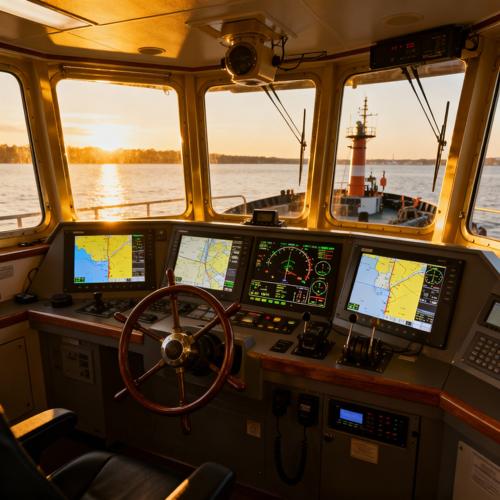
Modern wheelhouse technology enhances situational awareness and reduces the likelihood of accidents—an important part of meeting Subchapter M’s operational standards. High-resolution radar, AIS integration, electronic charting systems, and multi-display helm layouts give operators more information in less time. These tools improve decision-making during restricted visibility, congested waterways, and dynamic tow operations.
Intelligent watchstanding systems can alert operators to potential navigation errors, risk zones, or prolonged wheelhouse inactivity. Some platforms log watch changes, helm inputs, and route deviations automatically, producing valuable data for incident reviews and safety training. These systems reinforce operational discipline by ensuring that crews follow established safe-navigation practices.
Integrated bridge systems provide streamlined access to critical tools—engine controls, communications, sensors, and alarms—all in a single interface. This reduces cognitive load, improves coordination, and creates a more efficient working environment that supports compliance with Subchapter M’s operational expectations.
Safety and Emergency-Response Innovations
Subchapter M requires operators to demonstrate preparedness for emergencies such as fire, flooding, loss of propulsion, and man-overboard events. New technologies help crews train, respond, and recover more effectively. Digital muster systems track personnel during drills and real emergencies, ensuring everyone is accounted for. Connected alarm panels can transmit incident data to shoreside managers instantly, reducing response times and improving crisis coordination.
Wearable safety devices—including fall-detection sensors, personal locator beacons, and automatic man-overboard alarms—provide another layer of protection. These tools activate alerts when crewmembers enter the water or experience sudden impacts, giving crews precious seconds to begin recovery efforts. Such devices reinforce safety culture and provide valuable documentation for training and compliance reporting.
Thermal imaging cameras, remote firefighting monitors, and advanced bilge monitoring systems improve response capability in high-risk scenarios. These tools support Subchapter M’s core requirement: maintaining vessels in a condition that protects crews, the environment, and other vessels at all times.
Crew Training Platforms and Competency Verification Tools
Subchapter M emphasizes crew competence as much as vessel readiness. Digital training platforms allow operators to deliver consistent, high-quality instruction to every crew member regardless of location. Interactive modules, video walkthroughs, and knowledge-check quizzes ensure that crews fully understand emergency procedures, maintenance routines, and operational requirements before stepping on board.
Competency verification systems document crew progress and highlight areas where additional training is needed. These platforms track certifications, wheelhouse assessments, and proficiency renewals—reducing administrative overhead and preventing lapses that might jeopardize compliance. The ability to produce training records on demand is invaluable during Coast Guard examinations and TSMS audits.
Virtual reality (VR) and simulation technologies are becoming powerful tools in high-risk sectors of the maritime industry. They allow crew members to practice emergency scenarios and operational tasks in a controlled, repeatable setting. This level of exposure enhances readiness and builds confidence, translating directly into safer real-world operations.
Data Integration, Fleet Tracking, and Remote Auditing
Fleet operators are increasingly connecting onboard systems to shoreside data platforms for real-time oversight. This connectivity allows managers to view vessel positions, equipment status, crew rosters, and compliance metrics from a central dashboard. Integrated fleet tracking also supports analytics, helping operators identify trends, inefficiencies, and safety risks before they escalate.
Remote auditing technology enables surveyors and internal auditors to review documents, logs, and operational data without physically boarding the vessel. This can dramatically reduce preparation time for TSMS and Coast Guard inspections, while also improving consistency across the fleet. Operators can detect and correct deficiencies much earlier in the audit cycle, strengthening overall compliance posture.
Data integration helps operators transition from reactive to proactive compliance. Instead of rushing to prepare for annual inspections, fleets maintain continuous readiness. This shift aligns perfectly with Subchapter M’s underlying goal: embedding safety and compliance into everyday operations, not once-per-year exercises.
Future Trends: Automation, AI, and Next-Generation Compliance Solutions
The future of Subchapter M compliance will be shaped by a growing ecosystem of automated and intelligent technologies. AI-driven maintenance forecasting, automated logkeeping, and smart sensors will help vessels operate more safely and predictably. These tools can reduce human error, enhance efficiency, and improve the accuracy of compliance records—all critical benefits as regulatory expectations evolve.
Autonomous navigation support systems will continue improving situational awareness, offering predictive risk assessments that warn crews before hazards become emergencies. These systems act as advisory tools, reinforcing onboard decision-making without replacing human judgment. Such innovations will be particularly valuable in challenging environments such as narrow waterways, busy ports, and heavy-tow operations.
In the long term, integrated compliance ecosystems—connecting wheelhouse systems, engineering sensors, crew training data, and shoreside oversight—will become standard practice. Operators who adopt these tools early will not only meet Subchapter M requirements more easily but also elevate operational performance and fleet safety across the board.
Ensure the utmost safety and compliance for your marine operations. For expert advice and comprehensive marine safety services, call us at 508-996-4110 or email tom@marinesafetyconsultants.com. Let's prioritize your safety together.