 Introduction: Why Restricted-Visibility Incidents Keep Happening
Collisions and allisions in fog, rain, and other restricted-visibility conditions continue to occur across U.S. waters, despite widespread availability of modern navigation technology. Radar, AIS, electronic charts, and integrated bridge systems have dramatically improved situational awareness, yet incident reports repeatedly show the same contributing factors. These events are rarely caused by a lack of equipment; they are caused by how that equipment is used—or misused—under pressure.
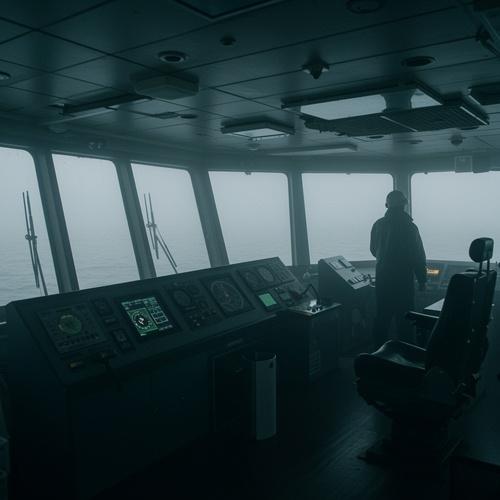
Restricted visibility exposes weaknesses in watchstanding discipline. When visual references disappear, crews must rely on procedures, teamwork, and judgment. Unfortunately, investigations often reveal overreliance on electronics, poor communication, and inadequate lookout practices. Technology that should serve as a support tool quietly becomes a substitute for fundamental seamanship.
Understanding why these incidents persist requires an honest examination of how vessels operate in fog. The rules governing navigation in restricted visibility are clear, but consistent execution remains a challenge. The gap between regulatory expectation and real-world practice is where risk continues to grow.
The Myth of “Radar Equals Safety”
One of the most dangerous assumptions in modern navigation is that radar alone provides sufficient protection in restricted visibility. While radar is an essential aid, it is not infallible. Targets can be lost in sea clutter, rain clutter, or shadow zones. Small vessels, wooden hulls, and low-profile craft may produce weak or inconsistent returns, particularly at close range.
Radar interpretation requires constant attention and skill. Incorrect gain settings, improper range selection, or failure to track targets over time can lead to false confidence. Operators may believe they have a clear picture of surrounding traffic when, in reality, critical information is missing or misunderstood.
Casualty investigations frequently show that radar contacts were visible before an incident but were not properly evaluated. This reinforces a critical lesson: radar does not make decisions—people do. Without disciplined interpretation and cross-checking, radar becomes a liability rather than a safeguard.
Common Radar and AIS Misuse Errors
Misuse of radar and AIS is a recurring theme in restricted-visibility incidents. Operators often focus on a single display, failing to monitor multiple ranges simultaneously. This tunnel vision reduces reaction time when targets suddenly appear at close quarters. Others rely heavily on AIS data without considering that not all vessels carry or properly configure AIS transponders.
AIS information can be incomplete, inaccurate, or delayed. Incorrect vessel dimensions, outdated voyage data, or misreported headings are common. When operators assume AIS data is always correct, they may make flawed passing decisions or misjudge a vessel’s true movement.
Another common error is failing to correlate radar targets with AIS symbols and sound signals. Effective navigation requires synthesizing all available information—radar, AIS, visual cues, and auditory inputs. When these sources are not cross-checked, inconsistencies go unnoticed until it is too late.
The Role of the Human Lookout Under COLREGS
The International Regulations for Preventing Collisions at Sea (COLREGS) are explicit: every vessel must maintain a proper lookout by sight and hearing at all times. This requirement does not disappear in fog, nor is it satisfied by electronic aids alone. A human lookout remains a legal and practical necessity.
In restricted visibility, the lookout’s role becomes even more critical. Listening for sound signals, monitoring changes in ambient noise, and reporting subtle cues can provide early warning of nearby traffic. These sensory inputs often complement radar data, filling gaps that technology cannot detect.
Incidents frequently reveal that no dedicated lookout was posted, or that the lookout was assigned multiple tasks and unable to focus fully. When lookout duties are treated as secondary, vessels lose a vital layer of defense. Maintaining a vigilant, properly briefed lookout is one of the simplest and most effective collision-avoidance measures available.
Bridge Resource Management Breakdowns in Fog
Bridge Resource Management (BRM) is designed to ensure that navigation is a team effort rather than an individual task. In restricted visibility, effective BRM becomes essential. Yet investigations often uncover breakdowns in communication, unclear roles, and unchallenged assumptions on the bridge.
Silence on the bridge is a warning sign. Radar observations, bearing changes, and CPA calculations should be verbalized and acknowledged. When information is not shared, each team member operates with a different mental picture of the situation. This fragmentation increases the likelihood of error.
Another common failure is reluctance to speak up. Junior crew members or lookouts may hesitate to question decisions or report concerns. Strong BRM culture encourages assertive communication and mutual verification, ensuring that potential hazards are addressed before they escalate.
Speed, Complacency, and Overconfidence in Technology
Speed management is a recurring issue in restricted-visibility casualties. Vessels often maintain speeds that limit maneuverability, leaving little margin for error when traffic is encountered unexpectedly. Operators may justify this by citing the need for steerage or schedule pressures.
Complacency grows when technology appears to be working well. Extended periods without incident can lead crews to relax procedures, reduce lookout vigilance, or delay speed reductions. This false sense of security is dangerous, especially in environments where conditions can change rapidly.
Technology should reinforce caution, not replace it. Slowing down, increasing monitoring, and enhancing communication are fundamental responses to reduced visibility. When speed decisions are driven by confidence rather than conditions, the risk of collision rises sharply.
Inspection Findings and Post-Incident Lessons
Inspection reports and post-incident analyses consistently highlight the same deficiencies related to restricted visibility. These include inadequate lookout assignments, insufficient BRM training, poor radar plotting practices, and failure to comply with COLREGS speed requirements.
Many of these deficiencies are repeat findings. This suggests that corrective actions are not always sustained beyond the inspection cycle. Training may be completed, but procedures are not reinforced through regular drills or oversight.
Learning from incidents requires more than identifying violations; it requires understanding why they occurred. When organizations treat inspections as hurdles rather than opportunities, the same mistakes reappear, often with more serious consequences.
Rebuilding Watchstanding Discipline in Restricted Visibility
Reducing restricted-visibility incidents starts with recommitting to fundamental navigation principles. Clear watchstanding policies, defined lookout roles, and disciplined communication protocols create a strong foundation. These practices must be reinforced through training, drills, and leadership example.
Technology should be integrated thoughtfully into watchstanding routines. Radar, AIS, and electronic charts are powerful tools when used correctly, but they must support—not replace—human judgment. Regular training in radar interpretation, collision-avoidance techniques, and COLREGS application ensures crews remain proficient.
Ultimately, safe navigation in restricted visibility depends on mindset. Vessels that treat fog as a high-risk condition requiring heightened discipline consistently perform better than those that treat it as a routine inconvenience. Rebuilding this discipline is essential to preventing future collisions.
Ensure the utmost safety and compliance for your marine operations. For expert advice and comprehensive marine safety services, call us at 508-996-4110 or email tom@marinesafetyconsultants.com. Let's prioritize your safety together.