 For decades, vessel inspections were largely driven by documentation. Inspectors reviewed certificates, logs, and checklists to confirm that vessels met regulatory requirements. If the paperwork was complete and equipment appeared to be onboard, the inspection was typically considered successful. This system established a baseline level of compliance, but it did not always reflect how a vessel would perform under real-world conditions.
Today, that model is changing in a meaningful way. Coast Guard inspections are increasingly focused on operational readiness rather than documentation alone. Inspectors are placing greater emphasis on what crews can demonstrate—how they respond, how they communicate, and how well they understand the systems they rely on. This shift reflects a broader recognition that compliance on paper does not always translate into safety at sea.
The standard is evolving from “Do you have it?” to “Can you actually do it?” This change is reshaping how vessel owners, captains, and crews prepare for inspections and how they approach safety on a daily basis. It is also raising expectations across the board, particularly in high-traffic and high-risk regions like the Northeast.
The implications of this shift are significant. Vessels that rely on last-minute preparation or documentation alone are finding that they fall short under closer scrutiny. Meanwhile, operators who maintain consistent readiness and train their crews regularly are seeing smoother inspections and fewer deficiencies. This evolution is not temporary—it represents a long-term change in how maritime safety is evaluated.
Why Inspections Are Becoming More Hands-On
The move toward hands-on inspections is driven largely by lessons learned from incident investigations. In many cases, vessels involved in accidents were technically compliant. They had the required equipment onboard, and their documentation appeared to be in order. However, when emergencies occurred, crews were unable to respond effectively.
Investigations have revealed common patterns. Equipment could not be located quickly, procedures were not fully understood, and roles were unclear. Drills may have been recorded but not meaningfully practiced. These gaps between documentation and real-world capability have prompted regulators to rethink how inspections are conducted.
As a result, inspectors are now focusing on practical verification. They are asking crews to demonstrate procedures, explain systems, and show how they would respond in specific scenarios. This approach provides a clearer and more accurate assessment of readiness.
Hands-on inspections close the gap between theory and practice. They ensure that safety measures are not only present but functional and understood. This shift aligns inspections more closely with actual operating conditions and risk exposure.
What “Show Me” Looks Like During an Inspection
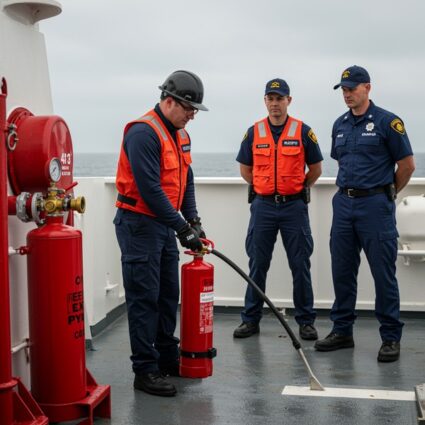
Modern inspections often involve direct interaction with crew members. Inspectors may ask individuals to locate safety equipment, demonstrate how it is used, or explain emergency procedures. These requests are designed to assess familiarity and readiness rather than create pressure.
For example, a crew member may be asked to identify the location of fire extinguishers and explain how they would respond to an engine room fire. Another may be asked to describe the steps involved in a man-overboard recovery or to point out emergency shutoff systems. These exercises reveal how well procedures are understood and internalized.
Inspectors also evaluate accessibility and condition. Equipment that is difficult to reach or improperly maintained raises concerns, even if it technically meets requirements. Clear access and proper organization are essential for effective response.
Simple demonstrations often reveal deeper issues. Hesitation, confusion, or inconsistent answers can indicate gaps in training or communication. These insights are far more valuable than a completed checklist and often drive inspection outcomes.
Common Gaps Between Paper Compliance and Real Readiness
One of the most common gaps identified during inspections is unfamiliarity with equipment. Crew members may know that certain systems exist but lack hands-on experience using them. In an emergency, this lack of familiarity can lead to delays or incorrect actions.
Another issue is outdated procedures. Written protocols may not reflect current operations, particularly if equipment or workflows have changed. This disconnect creates confusion during both inspections and real incidents.
Documentation itself can also be misleading. Logs may indicate that drills were conducted regularly, but without meaningful participation, those drills may not translate into real readiness. Recorded compliance does not guarantee operational competence.
Communication gaps are also common. Unclear roles, inconsistent terminology, and lack of coordination can all contribute to ineffective response. These issues often become apparent only during practical demonstrations, reinforcing the need for hands-on evaluation.
Crew Knowledge as a Measurable Safety Factor
Crew competence is now a central focus of inspections. Inspectors are increasingly interested in whether crew members can explain and execute critical procedures. This includes understanding alarm systems, communication protocols, and individual responsibilities during emergencies.
Knowledge must be shared across the crew. If only one person understands a system, the vessel remains vulnerable. Redundancy is essential, particularly in high-risk situations where immediate response is required.
Training plays a key role in building this competence. Regular drills, hands-on instruction, and clear communication help ensure that knowledge is retained and applied. A knowledgeable crew is one of the strongest indicators of a well-managed vessel.
Confidence is also important. Crew members who are comfortable with their roles are more likely to act decisively and effectively during emergencies. This confidence is built through repetition and experience, not documentation alone.
How This Shift Impacts Vessel Operations
The shift toward practical inspections has a direct impact on daily operations. Compliance can no longer be treated as a periodic task completed before an inspection. Instead, readiness must be maintained continuously.
This requires a more integrated approach to safety. Equipment must be accessible and functional, procedures must be current and understood, and crew members must be engaged in ongoing training. Preparation becomes part of routine operations rather than a separate activity.
While this approach may initially require additional effort, it ultimately strengthens operations. Vessels that maintain continuous readiness experience fewer surprises during inspections and are better prepared for real incidents.
Operational discipline becomes the foundation of compliance. The focus shifts from preparing for inspections to maintaining a consistent standard of performance at all times.
Building Operational Readiness Into Daily Practice
Integrating readiness into daily practice is the most effective way to meet evolving inspection standards. Short, focused drills can be conducted regularly without disrupting workflow. These exercises reinforce procedures and keep knowledge fresh.
Routine equipment checks are equally important. Verifying that systems are accessible, functional, and properly maintained ensures that they will perform when needed. Small, consistent actions prevent larger issues from developing.
Communication and leadership also play critical roles. Clear expectations, defined roles, and open discussion of safety practices create a shared understanding across the crew. This alignment improves both inspection outcomes and operational performance.
Readiness is built through repetition, consistency, and engagement. Crews that practice regularly develop habits that translate directly into effective response during emergencies.
Conclusion: Proving Safety Through Action, Not Paper
The evolution of Coast Guard inspections reflects a fundamental shift in how maritime safety is evaluated. Documentation remains important, but it is no longer sufficient on its own. Real safety is demonstrated through action, understanding, and consistent execution.
Vessel owners and operators who adapt to this change will find that inspections become more predictable and less stressful. Continuous readiness reduces last-minute preparation and improves overall performance.
Safety is now judged by what crews can do—not just what they can show. Demonstrating capability has become the standard, and those who meet it will operate with greater confidence, reduced risk, and stronger compliance outcomes.
In a demanding maritime environment, this shift represents an opportunity. By aligning daily operations with inspection expectations, vessels can improve safety, efficiency, and long-term success.
Ensure the utmost safety and compliance for your marine operations. For expert advice and comprehensive marine safety services, call us at 508-996-4110 or email tom@marinesafetyconsultants.com. Let's prioritize your safety together.