Voyage data recorders (VDRs) and electronic chart logs are critical sources of objective information in marine investigations. For small fleets that may not have dedicated accident-response teams, knowing how to preserve, collect, and analyze these data can make the difference between a clear root cause determination and an ambiguous report. Proper handling preserves evidence integrity, helps satisfy regulatory requirements, and supports lessons learned that improve vessel safety.
This article provides practical, field-tested guidance for vessel operators, surveyors, and investigators working on casualties ranging from groundings and collisions to machinery failures and onboard fires. It focuses on immediate preservation steps, chain-of-custody documentation, common technical issues, and techniques for exporting and correlating VDR and electronic chart log data for root cause analysis.
Expect clear procedures that can be implemented by small-ship crews and shoreside teams, plus guidance on when to engage third-party technical specialists. The objective is operationally realistic advice that supports maritime compliance, vessel safety, and defensible investigative conclusions.
Understanding VDR and Electronic Chart Log Data
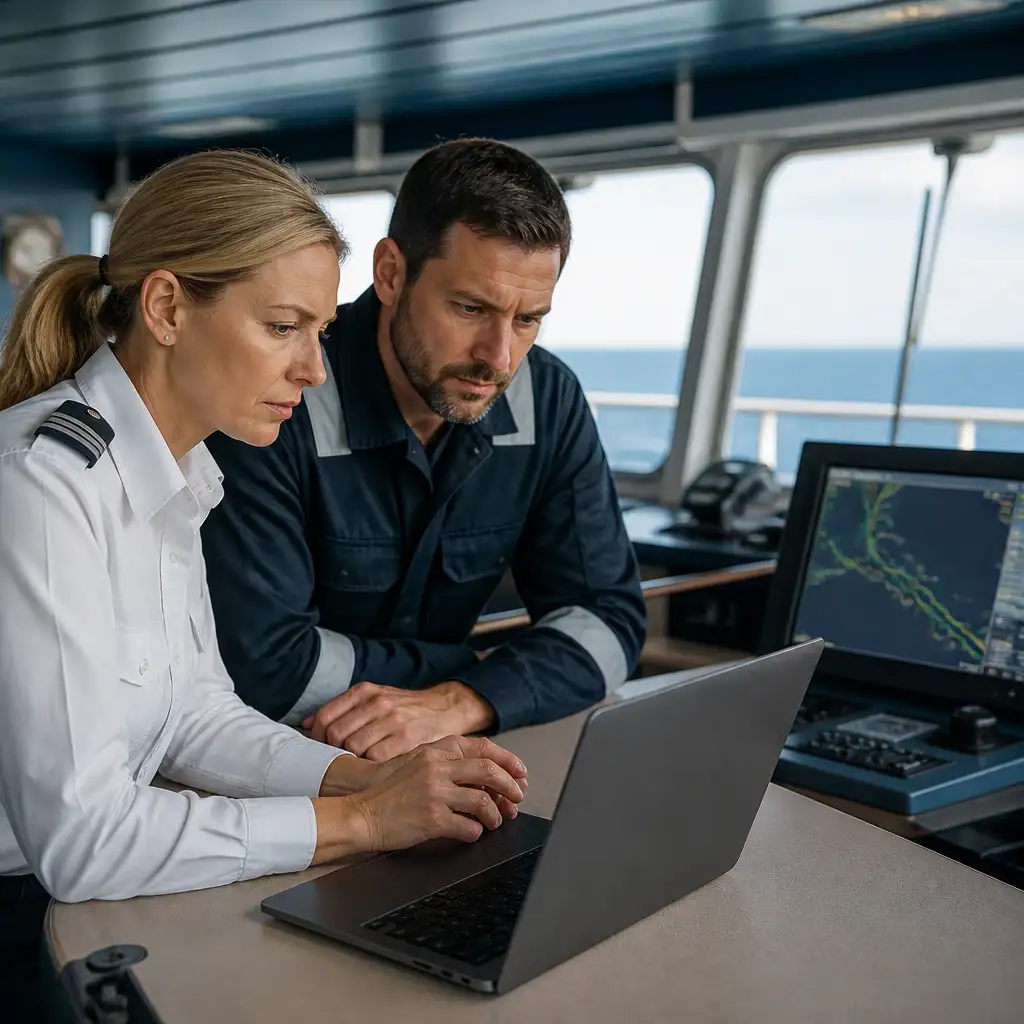
Modern VDRs record a range of inputs: GPS position, speed, heading, radar summaries, bridge audio, sonar and echo sounder outputs, engine parameters, and other sensor data. Simplified VDRs (S-VDRs) found on some small vessels record a subset of these inputs but still provide valuable timelines. Electronic chart log systems and ECDIS often retain navigation tracks, waypoint actions, alarms, and operator entries that complement VDR sensor streams.
Key features to recognize when preparing for evidence collection include sampling rates, timestamp formats, time-synchronization sources (GPS vs. internal clock), and any audio or video channels. Metadata—system time, firmware versions, export file formats, and checksum data—are as important as raw sensor values for validating the authenticity and continuity of the record.
Understanding what data exists and how it is stored helps operators make rapid, informed decisions after an incident. For example, some chart systems overwrite track history on a rolling basis or store only limited archived logs unless configured for longer retention. Knowing system-specific behaviors reduces the risk of inadvertent data loss during initial response.
Immediate Preservation Steps After a Casualty
Begin preservation as soon as vessel and crew safety are assured. First, secure the bridge and restrict access to the navigation and engineering control areas to preserve evidence integrity. Document who enters those spaces and when. Photograph instrument panels, ECDIS screens, VDR status indicators, and networked equipment before powering down or moving hardware.
Where possible, keep VDR power applied to avoid stopping recordings; however, if heat, fire, or imminent flooding threatens the unit, remove the VDR recorder or its memory module following manufacturer guidance. For electronic chart systems, export available track logs immediately using built-in export functions or create screen captures showing current display and active alarms. If immediate export is not possible, secure the vessel’s networked systems and preserve backup media.
Notify relevant authorities and technical vendors early. Timely notification may be required under national regulations and helps ensure that sampling, extraction, and forensic preservation proceed under accepted standards. Early coordination also clarifies evidence custody and ensures investigators receive preserved files in acceptable formats for analysis. For guidance tailored to incident response and reporting, see marine casualty investigations.
Chain-of-Custody Best Practices for Small Fleets
Small fleets should maintain a simple, consistent chain-of-custody protocol so that evidence remains admissible and defensible. Use an evidence log template that records item description, unique identifier, date and time collected, collector name, condition on receipt, storage location, and each subsequent transfer with signatures. Label physical media clearly and avoid writing directly on sensitive components.
When creating digital copies, compute and record cryptographic hashes (e.g., SHA-256) for original files and every copy made. Hashes demonstrate file integrity and are standard practice in digital forensics. Store original media in a climate-controlled, secure area and provide copies to investigators for analysis. If a media chain is broken or multiple transfers occur, document the reason and every step taken to account for custody.
Train a small roster of designated evidence handlers and ensure they understand both regulatory obligations and practical handling precautions. Designated handlers reduce the risk of accidental evidence compromise and provide a clear point of contact when external investigators or legal representatives request information.
Common Technical Issues and Troubleshooting
Technical obstacles often encountered include corrupted files after power loss, mismatched timestamps between systems, partially overwritten track histories, and proprietary file formats. Time drift between onboard clocks and GPS time can complicate timeline reconstruction; maintain records of time offsets observed during routine checks and include this information when handing over files.
Some VDRs and ECDIS vendors use encrypted or proprietary formats that require manufacturer tools to extract readable data. Avoid using unverified third-party tools that may alter file metadata. If extraction must be attempted onshore, work with a qualified technician or request vendor-assisted exports to ensure integrity and interpretability.
Physical damage to memory modules is another common challenge after fires, flooding, or heavy impact. In those situations, consult a data recovery specialist experienced with marine recorders. Early stabilization—drying, corrosion mitigation, and careful packaging—can preserve recoverability. Document any remedial actions taken during recovery attempts.
Collecting and Exporting Data from VDRs and Electronic Chart Systems
When collecting data, follow a repeatable workflow: identify the system and firmware; photograph the device and its connections; record serial numbers; export an initial copy of available logs; calculate hashes; and store originals securely. For VDRs, follow manufacturer instructions for safe removal of the VDR capsule or memory module. For chart systems, use built-in export utilities (e.g., NMEA logs, GPX, or proprietary export) and save accompanying system logs and alarm histories.
Maintain a copy-once rule for originals: create a verified forensic copy and use only copies for analysis. Label each copy clearly with its provenance. When exporting, capture both raw data (sensor values, NMEA streams) and human-readable reports (track tables, waypoint logs). Where possible, include supplemental files such as radar images, audio clips, and bridge video timestamps—these often make the difference in establishing sequence and context.
Coordinate extraction activities with technical support or consulting services when uncertainties arise. Engaging experienced technicians early reduces the risk of data corruption and speeds delivery of usable files to investigators. Technical support can also advise on cross-correlation strategies and required file formats for regulatory submissions.
Analyzing Data for Root Cause and Coordinating with Investigators
Effective analysis reconstructs events in a multi-layered timeline. Correlate GPS tracks with engine data, rudder angles, speed logs, bridge audio, and alarm histories. Use synchronized timestamps or known offsets to align data streams. When timestamps disagree, document the offset and any assumptions used to align records; transparency in analytical methodology strengthens the credibility of findings.
Human factors often appear prominently in root cause analysis. Bridge audio and ECDIS operator inputs can reveal decision-making, communications breakdowns, or misunderstanding of alarms. When interpreting human performance data, combine technical analysis with interviews and procedural reviews to develop balanced recommendations that address both equipment and organizational contributors to an incident.
Deliverables for investigators typically include a calibrated timeline, annotated maps, extracted audio clips, relevant snapshots from ECDIS, and a technical appendix documenting extraction methods and hash values. Maintain open lines of communication with lead investigators and be prepared to provide supporting documentation. For broader advisory needs—such as project oversight, risk assessments, or operational reviews—consider engaging maritime consulting services to supplement in-house capabilities.
Frequently Asked Questions
Q: How long should I retain exported VDR and electronic chart log files after an incident?
A: Retain originals and verified copies until official investigations and any potential litigation are complete, and follow any national or flag-state retention requirements. For routine practice, maintain a minimum archival period aligned with company records policies and regulatory guidance.
Q: Can small vessel operators perform their own data extraction, or should they wait for vendor support?
A: Small operators can perform initial preservation steps and export standard logs if trained and following vendor procedures. Forensic extraction, handling of proprietary formats, and recovery from damaged media are best handled by qualified technicians or vendor representatives to avoid compromising evidence.
Q: How do I handle time synchronization issues between VDR, ECDIS, and other systems?
A: Record observed time offsets and, if possible, capture GPS time references at the time of extraction. Use offsets consistently during correlation and document all assumptions. Regular maintenance that includes time synchronization checks reduces future discrepancies.
Marine casualty investigations can provide valuable insight into root causes, risk reduction strategies, and future prevention efforts. For assistance with marine investigations and related consulting services, contact Marine Safety Consultants at 508-996-4110.