 Vessel owners across the United States—and particularly in the Northeast—are experiencing a clear shift in how marine insurance is handled. What was once a relatively routine annual renewal process has become more detailed, more demanding, and in many cases, more unpredictable. Operators who previously expected a simple continuation of coverage are now being asked for updated surveys, expanded documentation, and clarification on maintenance practices.
This change is not isolated to one segment of the industry. Commercial fishing vessels, tugboats, workboats, and even smaller passenger vessels are all seeing increased scrutiny. Insurers are taking a closer look at risk exposure, and that means digging deeper into how vessels are maintained and operated—not just how they are described on paper.
Insurance is no longer a passive business transaction—it is an active evaluation of operational risk. Vessel owners who recognize this shift early can position themselves more effectively, while those who rely on outdated expectations may encounter delays, higher costs, or even difficulty securing coverage.
This evolving landscape reflects broader pressures within the maritime insurance market. Rising claim severity, increased repair costs, and a more complex regulatory environment have all contributed to tighter underwriting standards. Insurers are adapting, and vessel owners must adapt with them.
Why Insurance Carriers Are Tightening Requirements
Insurance carriers are responding to a steady increase in both the frequency and severity of claims. Fires, groundings, machinery failures, and weather-related incidents have all contributed to significant financial losses. In many of these cases, investigations have pointed to preventable issues such as deferred maintenance, poor documentation, or operational gaps.
As a result, underwriters are becoming more selective. They are no longer willing to rely solely on vessel age, size, or general description. Instead, they are asking detailed questions about current condition, recent repairs, inspection history, and operational practices. This shift is driven by a need to reduce uncertainty and better manage exposure.
From an insurer’s perspective, uncertainty is the greatest risk. When information is incomplete or inconsistent, underwriters must assume a higher level of exposure. This often translates into higher premiums, stricter conditions, or additional requirements before coverage is granted.
The tightening of requirements is also influenced by external factors such as inflation in repair costs and supply chain delays. Replacing equipment or repairing damage has become more expensive and time-consuming, increasing the financial impact of claims. Insurers are adjusting their standards accordingly.
The Growing Role of Surveys and Condition Reports
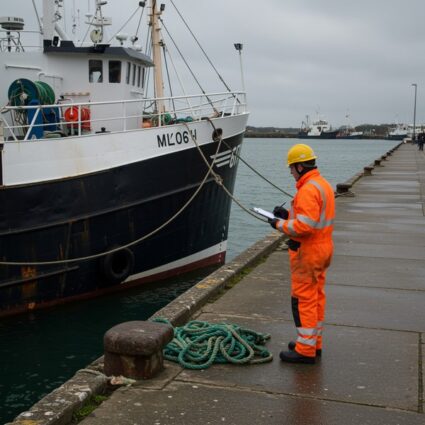
Condition surveys have become a central component of the insurance renewal process. Insurers increasingly rely on independent surveyors to provide a detailed assessment of vessel condition, including hull integrity, machinery systems, electrical infrastructure, and safety equipment.
These surveys serve as a critical source of objective information. They allow insurers to evaluate risk based on current conditions rather than assumptions. A strong survey report can significantly improve a vessel’s standing during the underwriting process, often leading to smoother renewals and more favorable terms.
Conversely, a survey that identifies multiple deficiencies can complicate the renewal process. Insurers may require repairs to be completed within a specific timeframe, mandate follow-up inspections, or impose conditions on coverage. In some cases, unresolved issues can delay renewal or result in restricted coverage.
The survey report has become a financial document as much as a technical one. Its findings directly influence how a vessel is valued from an insurance perspective, making preparation and follow-through essential for vessel owners.
Repeat Deficiencies and Their Impact on Coverage
One of the most significant concerns for insurers is the presence of repeat deficiencies. When the same issues appear across multiple inspections or surveys, it signals that corrective actions are not being fully implemented or sustained. This pattern raises questions about maintenance practices and operational oversight.
Even minor deficiencies can have a disproportionate impact if they recur. A loose connection, a worn component, or a documentation gap may seem insignificant on its own, but repeated findings suggest a systemic issue. Insurers view this as an indicator of increased risk.
Consistency matters more than severity. A vessel with small but recurring issues may be viewed as higher risk than one with a single, well-documented deficiency that has been fully resolved. This perception can lead to increased premiums, additional conditions, or challenges during renewal.
Addressing deficiencies thoroughly and documenting corrective actions is essential. Vessel owners must demonstrate not only that issues have been fixed, but that they are unlikely to return. This level of accountability builds confidence with insurers and supports more favorable outcomes.
Documentation, Maintenance, and Underwriter Confidence
Documentation has become a key factor in how vessels are evaluated during the insurance process. Maintenance records, inspection logs, service reports, and equipment certifications all contribute to the overall picture of vessel management. These records provide evidence that systems are being maintained proactively.
Underwriters rely on documentation to verify that maintenance is consistent and that deficiencies are addressed promptly. Gaps in records or inconsistencies in reporting can raise concerns, even if the vessel appears to be in good condition. Documentation is often the first point of review and sets the tone for the entire evaluation.
Maintenance practices themselves are equally important. Regular servicing, timely repairs, and proactive system checks demonstrate a disciplined approach to vessel management. This reduces perceived risk and supports stronger underwriting decisions.
Well-documented maintenance is one of the strongest signals of a well-managed vessel. It provides transparency and reduces uncertainty, both of which are critical in today’s insurance environment.
How Renewal Delays and Restrictions Affect Operations
Insurance renewal is not just an administrative process—it has direct operational implications. A delay in coverage can prevent a vessel from sailing, fulfilling contracts, or meeting charter requirements. Even short delays can disrupt schedules and create financial pressure.
Conditional coverage is becoming more common. Insurers may allow operations to continue while requiring specific repairs or actions within a defined timeframe. While this provides flexibility, it also introduces additional obligations that must be managed carefully.
Coverage restrictions can further impact operations. Higher deductibles, limited navigation areas, or exclusions for certain risks reduce operational flexibility. These limitations can affect how a vessel is used and may influence revenue potential.
Insurance terms now shape operational decisions. Vessel owners must consider how coverage conditions affect not only risk management but also day-to-day operations.
Positioning Your Vessel for a Smooth Renewal Process
Preparation is the most effective way to navigate the evolving insurance landscape. Vessel owners should begin the renewal process well in advance, conducting internal inspections, addressing known deficiencies, and organizing documentation.
Engaging with surveyors proactively allows owners to identify and resolve issues before they appear in formal reports. This approach reduces the likelihood of surprises and demonstrates a commitment to maintaining high standards.
Communication with insurers is also important. Providing clear, accurate information and responding promptly to requests helps build trust and facilitates a smoother process. Transparency is a key factor in successful renewals.
A proactive approach transforms renewal from a reactive scramble into a controlled process. Vessels that are consistently maintained and well-documented are easier to insure and more attractive to underwriters.
Conclusion: Treating Insurance Readiness as a Year-Round Priority
The tightening insurance environment reflects a broader shift in how maritime risk is evaluated. Vessel owners can no longer assume that renewals will proceed without scrutiny. Expectations have changed, and preparation is now essential.
Treating insurance readiness as an ongoing responsibility provides a significant advantage. Continuous maintenance, consistent documentation, and attention to inspection findings all contribute to smoother renewals and stronger coverage terms.
Insurance is now a reflection of how a vessel is managed every day, not just once a year. Operators who embrace this reality will be better positioned to secure coverage, control costs, and maintain operational stability.
In a market where risk is examined more closely than ever, vessels that demonstrate discipline, transparency, and proactive management will stand out. Maintaining that standard is not only good for compliance—it is essential for long-term success.
Ensure the utmost safety and compliance for your marine operations. For expert advice and comprehensive marine safety services, call us at 508-996-4110 or email tom@marinesafetyconsultants.com. Let's prioritize your safety together.